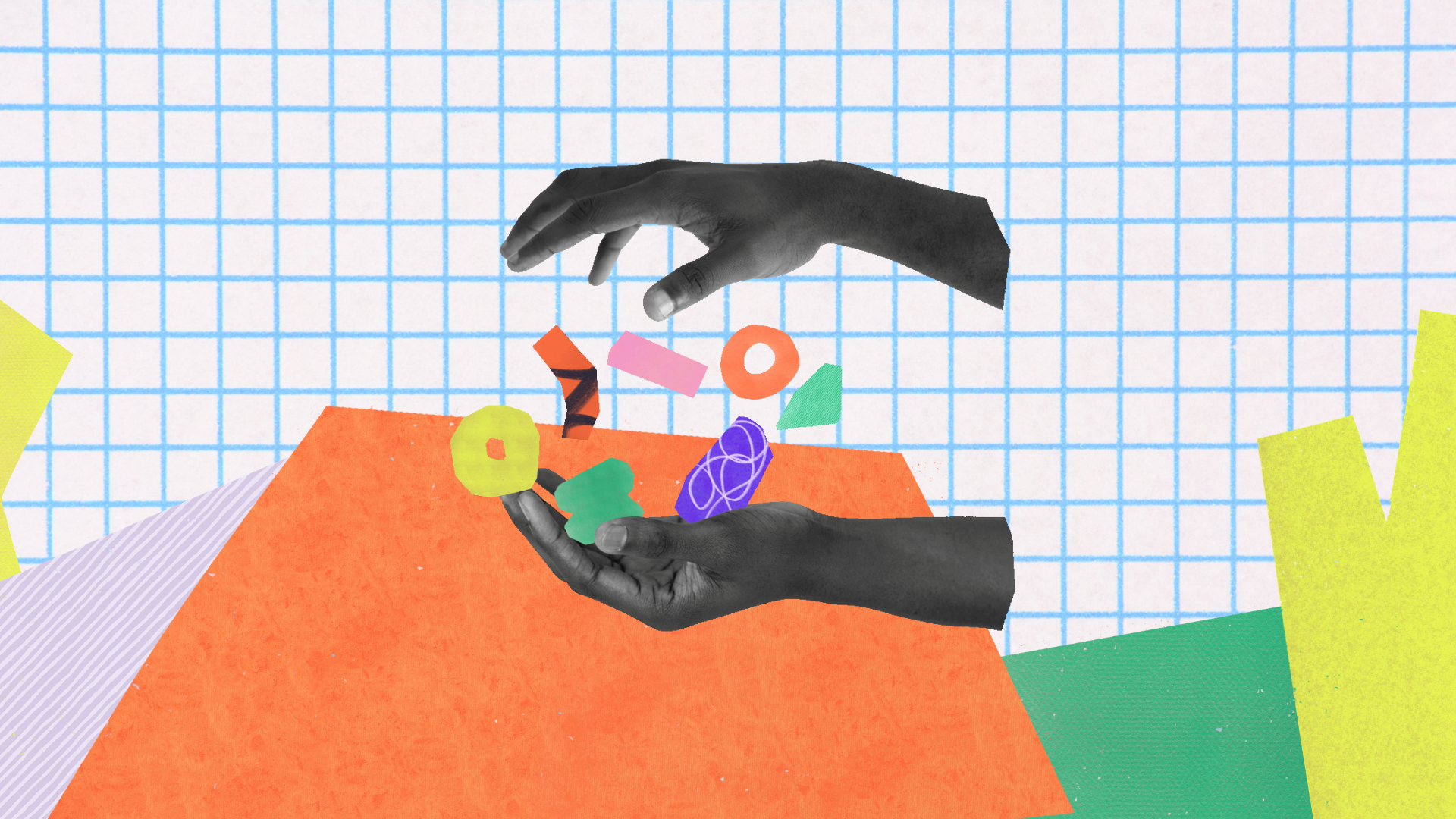
The word “radical” comes from the Latin radix, meaning root. Radical imagination is the capacity to go to the root of things — to imagine different underlying structures, different foundational premises, different relationships between people and resources and power.
We need it now because our current problems are root problems. Incremental fixes to systems built on extractive logic produce more extraction. Reforms that don’t touch underlying power structures leave that power in place.
The Imagination Deficit
We have a crisis of imagination. Human creativity is thriving — more songs, stories, and art being created than at any point in history. The crisis is specifically in collective imagination about social structures. Our capacity to imagine radically different ways of organizing society has contracted while our creative capacity has expanded.
Mark Fisher called this “capitalist realism”: the widespread sense that it is easier to imagine the end of the world than the end of capitalism. This was produced. Imagination has been systematically funneled toward individual expression and away from collective possibility. We’ve been trained to customize our experience of existing structures rather than imagine different ones.
The result: political discourse that debates the management of systems rather than their premises. Social movements that fight for a seat at the table rather than a different table.
What Radical Imagination Is
Radical imagination is:
A practice of possibility. The ongoing work of holding open what could be different, even when everything around you insists this is the only way.
A collective activity. The most useful radical imagination happens in community — in the friction and synthesis of different perspectives, different needs, different visions.
Grounded in the present. Real radical imagination starts with what is — with a clear-eyed understanding of actual conditions, actual constraints, actual sources of power.
Connected to action. It becomes most powerful when it connects to strategies, to prototypes, to experiments that bring the imagined future into contact with present reality.
The Tradition
Radical imagination has always been a survival tool.
Frederick Douglass imagined literacy as freedom before he had either, and the imagining helped him pursue both. Ida B. Wells imagined a world where Black life mattered enough to defend when white supremacy denied that premise in every institution. Fannie Lou Hamer imagined a Democratic Party that included Black Mississippians — and then showed up to claim that inclusion when all of official politics said it was impossible.
The Underground Railroad was radical imagination in action. Maroon communities were radical imagination institutionalized — they built societies, governance structures, economies, cultures within the interstices of systems designed to prevent their existence.
This tradition kept insisting on what should be possible until the boundaries of the possible shifted.
The Current Moment
The crises of this moment require imagination at root level.
Climate change cannot be adequately addressed through the same economic systems that created it. Mass incarceration cannot be adequately addressed by improving prison conditions. The inequality crisis cannot be adequately addressed through more equitable distribution of existing wealth.
What would replace an economic system organized around unlimited extraction? What does a community do with harm when caging people is no longer an available answer? What economic arrangements produce greater equality as a structural feature?
These are root questions. They require root imagination.
Starting Points
With honest diagnosis. You can’t imagine past what you won’t see clearly.
With the question “what if” deployed without premature closure. What if housing were not a commodity? What if care work were compensated? What if land could not be privately owned?
With study of alternatives that exist or have existed. Solidarity economies, cooperative models, Indigenous governance structures, mutual aid networks — these demonstrate that other arrangements are possible.
With the people whose survival depends most urgently on change. The most clear-eyed, most practiced radical imagination exists in the communities that current systems are most visibly failing.
With the understanding that imagination is practice. You get better at imagining by doing it — regularly, collectively, seriously.
The future worth building can’t be seen from inside the present’s assumptions. Radical imagination is how you see past them.


