The shock many Americans are feeling right now — that the United States may no longer be a functioning democracy — is real. For Black communities, the erosion of democratic rights is a pattern. We’ve seen it before, and we’ve been naming it.
The only surprise is how long it took the center to notice.
The Limits of Traditional Foresight
In mainstream futures work, foresight is framed as a technical process: models, scenarios, signals, systems maps. For many Black and marginalized communities, foresight has never been optional or theoretical. It’s embodied, rooted in lived experience, inherited wisdom, and the imperative to survive systems designed to overlook us.
Take climate change. While governments scramble to “anticipate” disruption, Black and Indigenous communities have long been building for collapse — from pattern recognition. We know what it means when the infrastructure fails. When the water runs brown. When the sirens don’t come. We know what mutual aid looks like because we’ve had to invent it, generation after generation.
There’s a growing sense of shock across institutions: How did we get here? For many of us, this moment feels like confirmation. The most important signals were the ones we were trained to ignore.
When the Fire Comes Home
Octavia E. Butler saw it coming. In Parable of the Sower, published in 1993, she imagined a near-future California ravaged by climate collapse, corporate privatization, and social fragmentation. That future, set in 2024, is now our present.
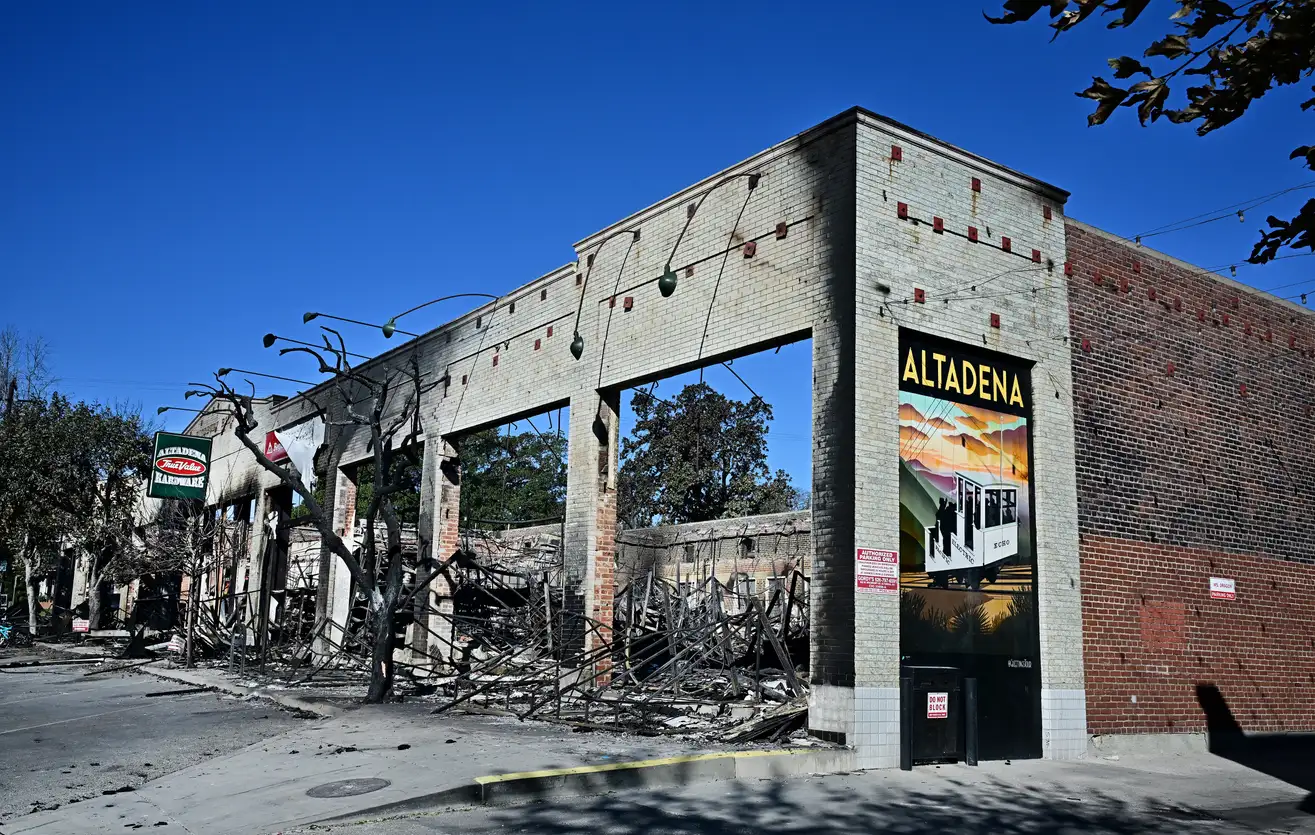
In January 2025, a fire tore through her former neighborhood in Altadena, California — weeks before the fictional fires she described in her novel. Butler had memory, history, and intuition — tools honed by people who’ve always had to read the signs. She called her work “histofuturism,” a way of seeing the future through the cycles of the past. It was ancestral.
What Is Embodied, Collective Foresight?
In Black communities, foresight looks like grandmothers stocking extra food in hurricane season without being told. It looks like neighbors texting each other when the air turns orange. It looks like housing cooperatives forming when eviction rates spike, and food justice networks springing up long before they’re fundable.
These are survival strategies. Futures-in-practice, led by people who aren’t waiting for permission to imagine.
We call this embodied, collective foresight. It emerges from the body. It’s intergenerational. Intuitive. Often invisible to the metrics that define institutional foresight. It’s alive in protest chants, WhatsApp groups, water rituals, backyard gardens, and backchannel planning.
Why We Haven’t Been Listening
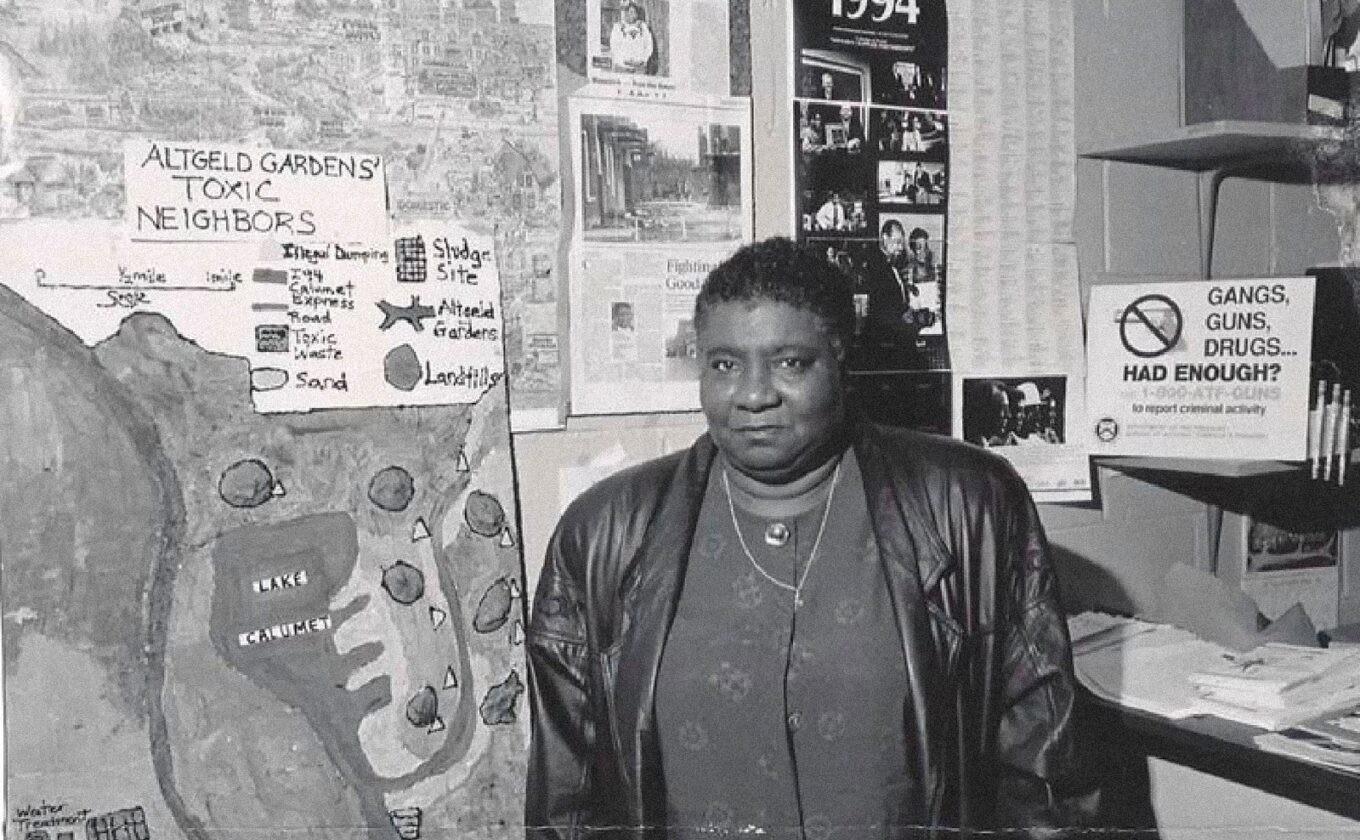
The systems most responsible for shaping futures — philanthropy, policy, tech, academia — are designed to recognize data that looks like data. When Black women name what’s coming, we are told we’re emotional. Alarmist. Unrealistic.
Fear is data. So is ancestral wisdom. So is embodied memory. So is refusal.
If we had listened to Black women earlier, we might not be here. If we had listened to water protectors. To disabled organizers. To trans organizers. To undocumented storytellers. To aunties with go bags.
The question now: Who has been seeing the future all along, and why weren’t we listening?
Real foresight requires epistemological humility. A willingness to trust wisdom that doesn’t come from a university lab or corporate R&D budget. A commitment to learning from communities who have already built futures out of the ashes of collapse.
If foresight is to matter now, it must move beyond trend analysis into deep remembering. It must center the most attuned. And it must begin with the people who were never meant to survive, and imagined survival anyway.