In our design practice, we often talk about imagining new futures. What does it mean to imagine futures from a position where your very existence has been systematically denied? This is where Afrofuturism offers profound lessons for anyone engaged in speculative design and radical imagination work.
Beyond Design Thinking
Traditional design thinking starts with the present and iterates forward. Afrofuturism teaches us to imagine from outside the system entirely. When Sun Ra envisioned space as a site of Black liberation in the 1950s, he was crafting a cosmology that rejected the very premises of earthly oppression.
This challenges conventional design practice. Afrofuturism asks “What if the system itself was unrecognizably different?” The work imagines worlds where oppressive structures never existed. It builds new cosmologies from the ground up.
Artifacts from the Future
Afrofuturist artists create tangible artifacts from alternative futures. Parliament-Funkadelic’s stage shows constructed entire environments complete with landing spaceships and cosmic costumes. These were prototypes of liberation, physical manifestations of alternative possibilities.
For speculative designers, this offers a powerful methodology: create objects, spaces, and experiences that make alternative futures tangible. Build fragments of those futures that people can touch, inhabit, and interact with.
Time as Design Material
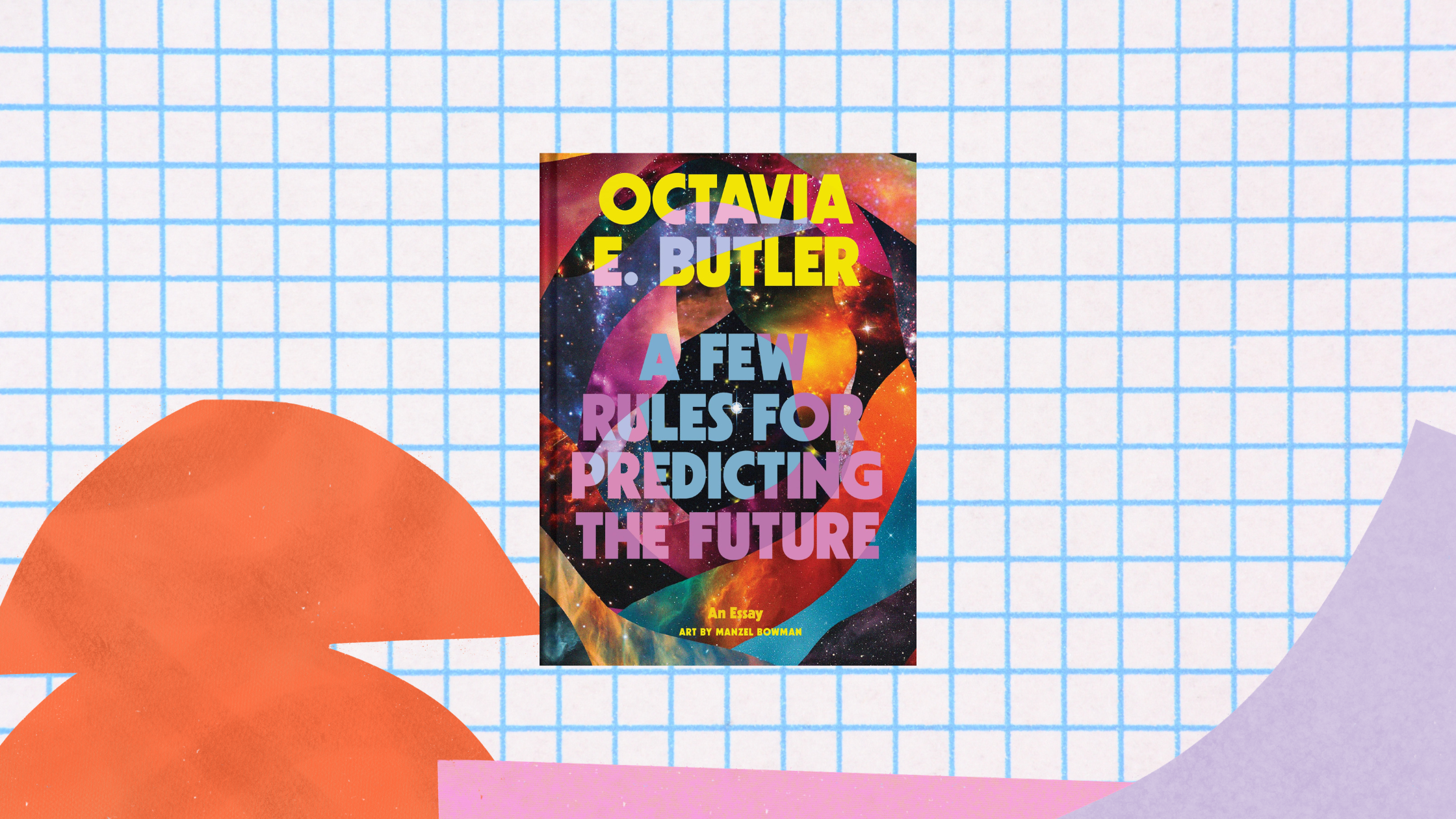
Western design treats time as linear. Afrofuturism works with time as malleable material. In Octavia Butler’s work, past, present, and future fold into each other. Her characters actively reshape time, understanding that transforming the future requires rewriting the past.
Rasheedah Phillips’ Dismantling the Master’s Clock makes this explicit — our dominant perception of time owes more to Western history and social order than to nature. Black and Afrodiasporic conceptions of time recognize how past, present, and future act upon each other.
What happens when we treat time itself as a design material?
Collective Imagination as Practice
Afrofuturism shows us that imagination is collective practice. From the musical collectives of Sun Ra and Parliament-Funkadelic to the shared worlds of contemporary Afrofuturist fiction, transformative visions emerge from community.
This challenges the designer-as-hero narrative. Designers can serve as facilitators of collective imagination. Our role becomes creating spaces and processes that enable communities to imagine and prototype their own futures.
The Stakes of Speculation
The ultimate lesson: imagination must be linked to freedom. Our work must actively contribute to dismantling oppressive systems and building liberatory alternatives.
This means asking hard questions:
Who is doing the imagining in our projects? Whose futures are we designing for? How does our work challenge or reinforce existing power structures?
The Work Ahead
In a world facing multiple overlapping crises, we need radical imagination that can help us envision fundamentally different ways of living, working, and being together.
Afrofuturism shows us this kind of imagination is possible. It offers practical methodologies for doing the work. The futures we need will come from having the courage to imagine something entirely different.
As Sun Ra reminded us, “Space is the Place.” But only if we’re brave enough to imagine our way there together.